History

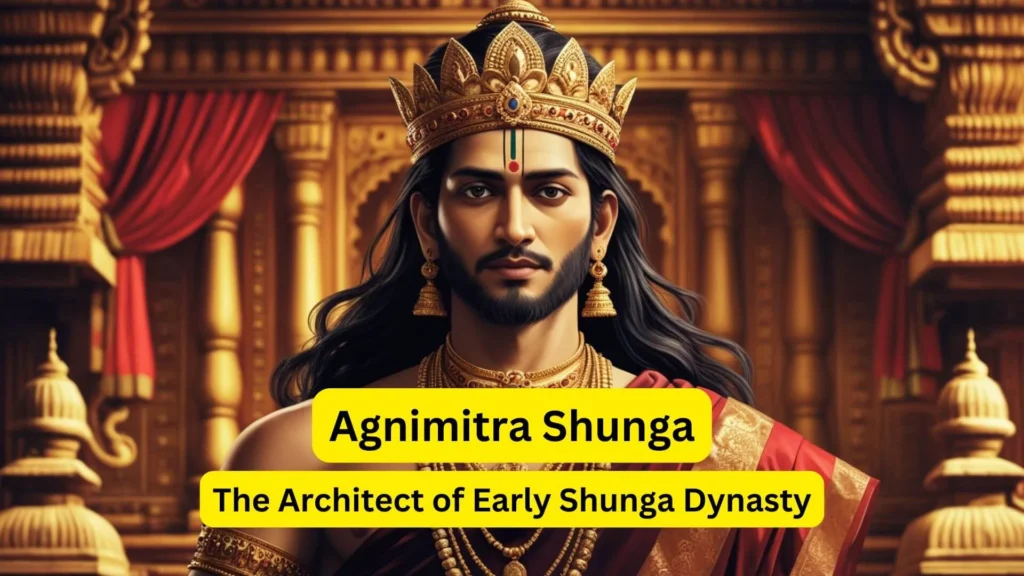
Agnimitra Shunga

Agnimitra Shunga: The Architect of Early Shunga Dynasty

Introduction Emergence of the Shunga Dynasty The decline of the Mauryan Empire culminated around 185 BCE with the assassination of its last emperor, Brihadratha Maurya, by his commander-in-chief, Pushyamitra Shunga. This pivotal event marked the end of Mauryan dominance and the rise of the Shunga Dynasty. Pushyamitra, the architect of this transition, established the Shunga […]

Agnimitra Shunga: The Architect of Early Shunga Dynasty Read More »
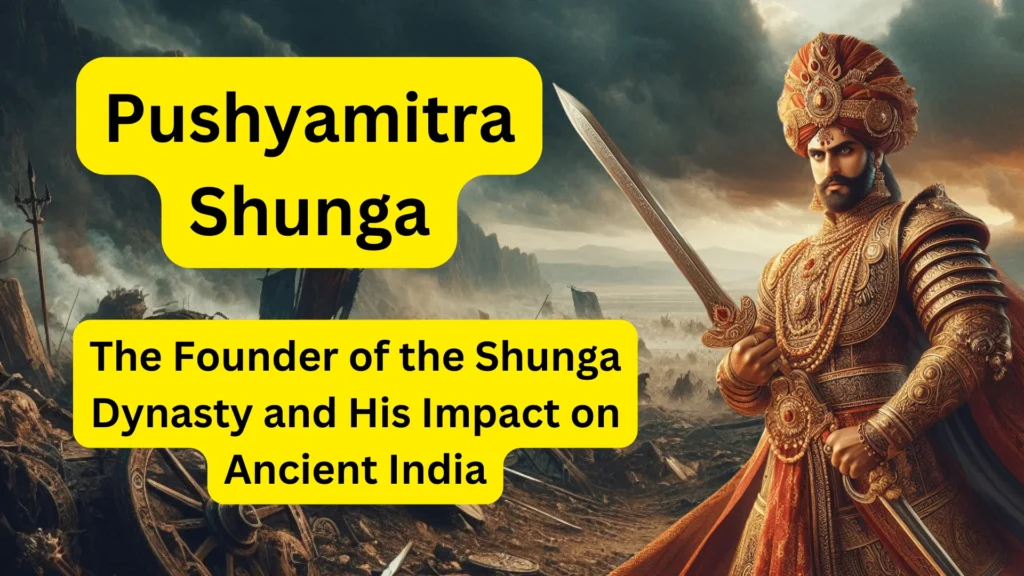
Pushyamitra Shunga

Pushyamitra Shunga: The Founder of the Shunga Dynasty and His Impact on Ancient India

Introduction Brief Overview Pushyamitra Shunga is a key historical figure in ancient Indian history, recognized as the founder of the Shunga dynasty. His rise marks a significant era following the Mauryan Empire’s fall. Pushyamitra, originally a military general under the last Mauryan ruler, Brihadratha, orchestrated a pivotal transition in Indian politics by overthrowing his sovereign

Pushyamitra Shunga: The Founder of the Shunga Dynasty and His Impact on Ancient India Read More »

Sunga Dynasty

Sunga Dynasty: Revival of Hinduism and India’s Cultural Renaissance

Introduction Brief Overview of the Sunga Dynasty Foundation after the Fall of the Mauryan Empire The Sunga Dynasty (185–73 BCE) emerged in India after the collapse of the mighty Mauryan Empire, which had dominated much of the Indian subcontinent for over a century. The last Mauryan ruler, Brihadratha Maurya, was overthrown and assassinated by his

Sunga Dynasty: Revival of Hinduism and India’s Cultural Renaissance Read More »

Post-Mauryan Period

The Post-Mauryan Period: Shaping Indian History through Regional Dynasties and Foreign Powers

Introduction Overview of the Post-Mauryan Period After the fall of the Mauryan Empire around 200 BCE, the Indian subcontinent entered a transformative era known as the post-Mauryan period. This period lasted approximately five centuries, from 200 BCE to 375 AD, and was characterized by significant political fragmentation and the rise of several regional powers. The

The Post-Mauryan Period: Shaping Indian History through Regional Dynasties and Foreign Powers Read More »

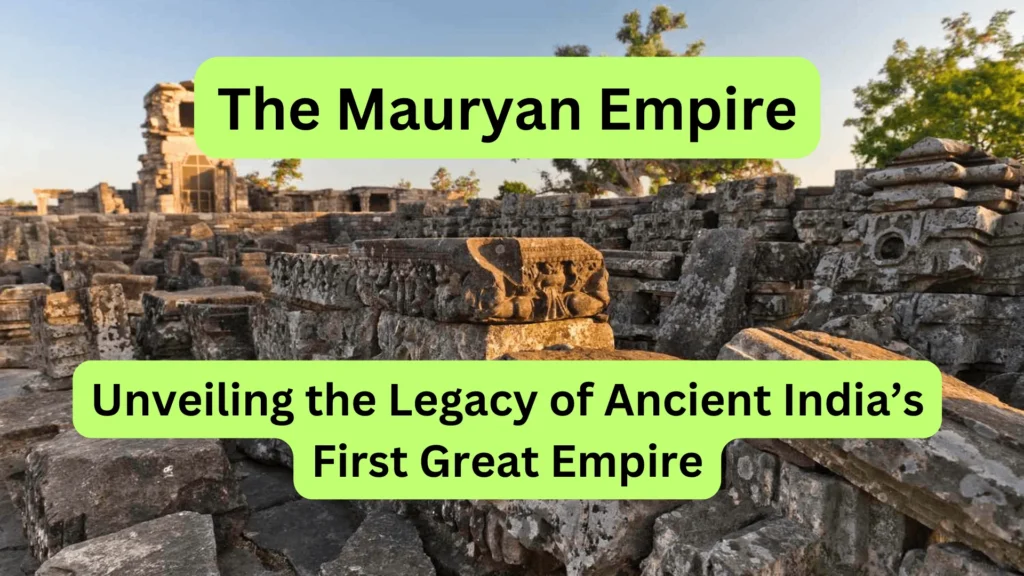
Mauryan Empire

The Mauryan Empire: Unveiling the Legacy of Ancient India’s First Great Empire

Introduction Brief Overview of the Mauryan Empire The Mauryan Empire, founded by Chandragupta Maurya in 321 BCE, was one of the most powerful and extensive empires in ancient Indian history. Spanning large parts of the Indian subcontinent, it stretched from the Himalayas in the north to the Deccan Plateau in the south, and from the

The Mauryan Empire: Unveiling the Legacy of Ancient India’s First Great Empire Read More »

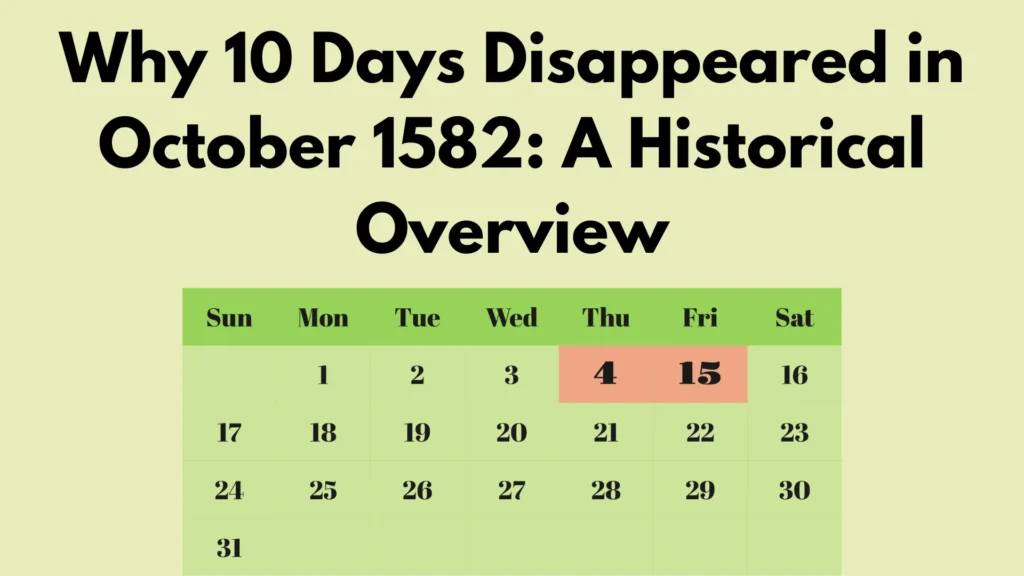
October 1582

Why 10 Days Disappeared in October 1582: A Historical Overview

Introduction  Brief introduction to the topic In October 1582, an extraordinary and unprecedented event took place: 10 days were erased from the calendar. This event was a result of the adoption of the Gregorian calendar, which replaced the Julian calendar that had been in use since 45 BCE. The reform was initiated by Pope Gregory

Why 10 Days Disappeared in October 1582: A Historical Overview Read More »

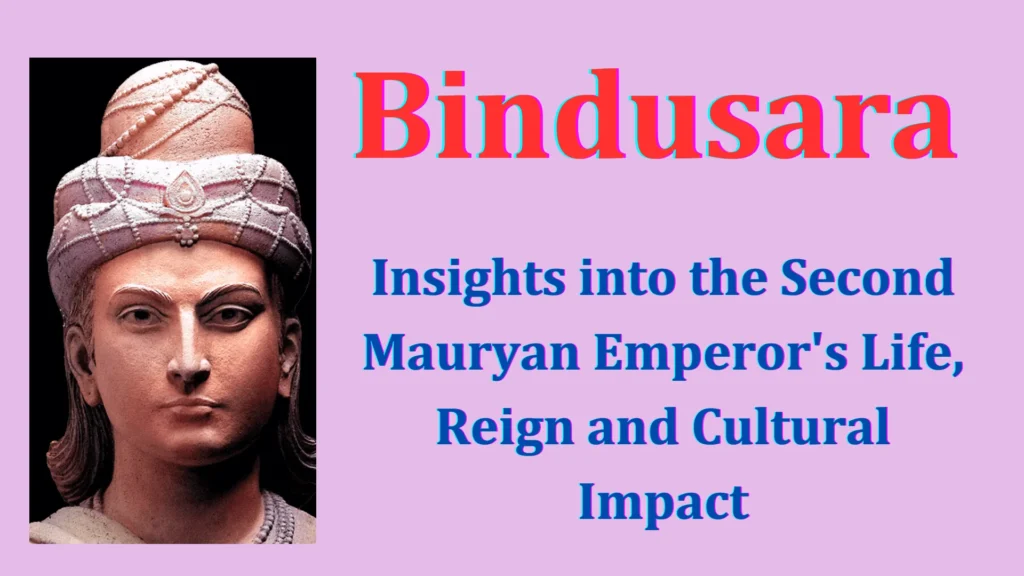
Bindusara

Bindusara: Insights into the Second Mauryan Emperor’s Life, Reign and Cultural Impact

Introduction Brief Overview of the Mauryan Empire The Mauryan Empire, founded by Chandragupta Maurya in 321 BCE, was one of the largest and most powerful political and military empires in ancient India. At its zenith, the empire stretched across a vast expanse of the Indian subcontinent, encompassing modern-day India, Pakistan, Afghanistan, and Bangladesh. The Mauryan

Bindusara: Insights into the Second Mauryan Emperor’s Life, Reign and Cultural Impact Read More »

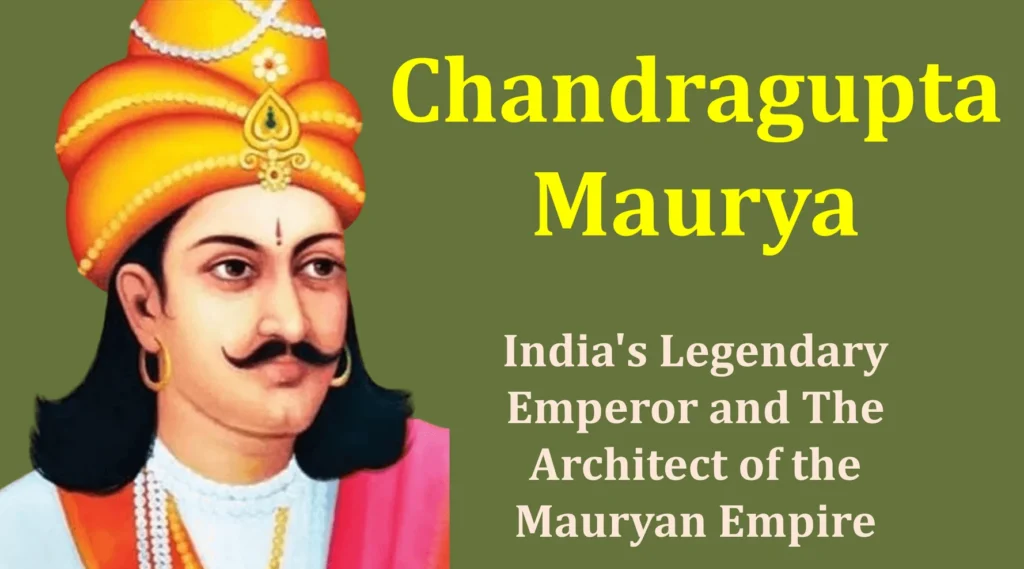
Chandragupta Maurya

Chandragupta Maurya: India’s Legendary Emperor and The Architect of the Mauryan Empire

Introduction Brief Introduction to Chandragupta Maurya Chandragupta Maurya, born around 340 BCE, is one of the most illustrious figures in Indian history. He is best known for founding the Maurya Empire, which became the first empire to unify the Indian subcontinent under a single political entity. His story is one of remarkable transformation—from his humble

Chandragupta Maurya: India’s Legendary Emperor and The Architect of the Mauryan Empire Read More »

Ajivika Sect

Ajivika Sect: Navigating the Path of Fate and Asceticism in Ancient Indian Tradition

Introduction Brief Introduction to Indian Philosophical Traditions Indian philosophy is a rich tapestry of diverse thoughts and practices, spanning several millennia. It encompasses various schools of thought that address fundamental questions about existence, reality, knowledge, ethics, and the nature of the self. Major philosophical systems, such as Hinduism, Buddhism, and Jainism, are well-known globally. These

Ajivika Sect: Navigating the Path of Fate and Asceticism in Ancient Indian Tradition Read More »

Scroll to Top